Commercial Shipment from Bangladesh
Admin User · September 16, 2026 · 5 min read
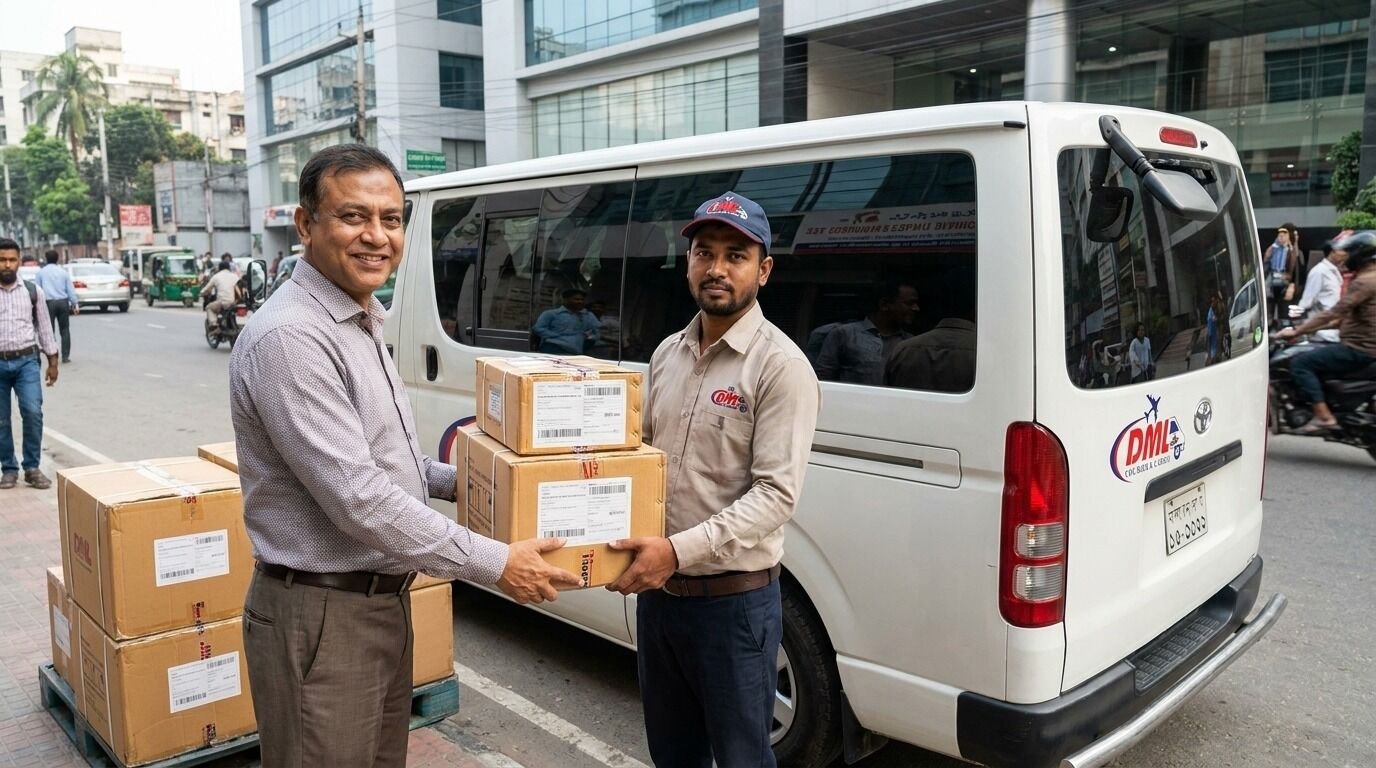
Commercial Shipment from Bangladesh: A Complete Guide for Exporters
International trade is an important part of Bangladesh's growing business environment. Manufacturers, exporters, traders and suppliers regularly send commercial goods to customers and business partners in overseas markets.
However, sending a commercial shipment from Bangladesh involves more than simply handing a package to a courier company.
The shipment may require proper documentation, suitable packaging, transportation planning, customs procedures and international delivery coordination.
Understanding the process before booking can help businesses avoid unnecessary delays and unexpected problems.
What Is a Commercial Shipment?
A commercial shipment is a shipment of goods sent for business or trade purposes.
Unlike a personal parcel, commercial cargo is generally associated with buying, selling, supplying or distributing goods.
Examples can include:
Garments and textiles
Product samples
Spare parts
Electronics
Machinery components
Promotional products
Industrial goods
Business inventory
Manufactured products
Wholesale shipments
The appropriate shipping method depends on the nature, quantity, weight, destination and urgency of the goods.
How Does Commercial Shipment from Bangladesh Work?
A typical commercial shipment can involve several stages:
Shipment Preparation → Documentation → Pickup → Transportation → Customs Processing → International Transit → Destination Clearance → Final Delivery
The exact process can vary depending on the destination country, type of goods and transportation method.
For this reason, exporters should plan the shipment before the actual pickup date.
Step 1: Prepare the Commercial Goods
Before arranging transportation, the exporter should prepare the goods properly.
Check:
Product quantity
Product description
Weight
Dimensions
Packaging
Recipient details
Destination country
Required documents
Accurate shipment information is important because incorrect details can create problems during transportation or customs processing.
Step 2: Prepare Commercial Documents

Commercial shipments may require several documents depending on the shipment and applicable requirements.
Common documents can include:
Commercial Invoice
Packing List
Air Waybill or Bill of Lading
Certificate of Origin
Export-related documents
Other product-specific documentation
The exact requirements can differ depending on the goods and destination.
Therefore, exporters should confirm the applicable documentation before shipment.
Step 3: Choose Air Freight or Sea Freight
One of the most important decisions is selecting the appropriate transportation method.
Air Freight
Air freight can be suitable when:
Delivery speed is important
The shipment is relatively smaller
Goods are time-sensitive
The buyer requires faster delivery
Sea Freight
Sea freight can be suitable when:
Shipment volume is large
Cargo is heavy
Transportation cost is a major consideration
The exporter has sufficient delivery time
For commercial shipments, the cheapest option is not always the best option. Businesses should compare cost, speed, shipment size and customer requirements.
Step 4: Packaging Commercial Cargo
Commercial goods may pass through several handling stages during international transportation.
Proper packaging helps protect the shipment during handling and transit.
Depending on the product, packaging may include:
Strong cartons
Protective materials
Pallets
Strapping
Moisture protection
Product-specific protective packaging
The packaging should be appropriate for the size, weight and nature of the goods.
Fragile products require additional protection to reduce the risk of damage.
Step 5: Customs Clearance
Customs clearance is an important part of international commercial shipping.
Exporters may need to provide supporting documents and complete the required customs procedures before goods can leave Bangladesh.
The documentation requirements depend on the type of shipment and goods.
For businesses, working with an experienced logistics or customs-clearance provider can make the process easier by helping coordinate documentation and shipment information.
Why Accurate Documentation Matters
Documentation errors are one of the issues businesses should try to avoid when preparing commercial shipments.
For example, differences between the physical goods and declared shipment information can create questions during processing.
Before shipping, review:
Product description
Quantity
Weight
Value
Sender information
Consignee information
Destination
Invoice details
Packing list details
Keeping information consistent across the shipment documents can help reduce avoidable complications.
Choosing the Right Commercial Shipping Service
Not every commercial shipment requires the same logistics solution.
A business sending a small product sample may require a different service from a manufacturer shipping several pallets of goods.
Consider these factors:
Shipment Size
Small shipments and large-volume cargo may require different transportation solutions.
Weight and Volume
Cargo weight and dimensions can influence the appropriate freight option and overall cost.
Destination
Different international destinations may have different transportation routes and delivery requirements.
Urgency
If the buyer has a strict deadline, faster transportation may be more appropriate.
Product Type
Some products may require special handling, documentation or destination-specific requirements.
Commercial Shipment vs Personal Parcel
The biggest difference is the purpose of the shipment.
A personal parcel may contain items being sent to family or friends.
A commercial shipment is connected to business activity and may involve invoices, quantities, declared values, customs documentation and trade requirements.
This is why businesses should not treat every commercial shipment like an ordinary personal parcel.
How Tracking Helps Businesses
International commercial shipments can involve multiple transportation stages.
Tracking allows businesses to monitor shipment progress and communicate more effectively with customers or business partners.
A tracking system can be especially useful for:
Exporters
Importers
E-commerce businesses
Manufacturers
Trading companies
Distributors
Businesses should keep the shipment tracking number available until the delivery has been completed.
Common Commercial Shipping Mistakes
1. Incorrect Documentation
Missing or inconsistent documents can cause unnecessary processing issues.
2. Poor Packaging
Inadequate packaging can increase the risk of cargo damage.
3. Incorrect Weight or Dimensions
Incorrect shipment measurements can affect freight calculations.
4. Incomplete Consignee Information
Always provide accurate recipient information.
5. Choosing a Shipping Method Only by Price
The lowest freight rate may not provide the best overall solution.
6. Booking Too Late
International commercial shipments require planning. Leaving everything until the last minute can create unnecessary pressure.
Why Businesses Need a Reliable Logistics Partner
Commercial international shipping can involve several parties and processes.
A reliable logistics partner can help coordinate:
Pickup → Documentation → Freight → Customs → International Transit → Destination Delivery
This can allow exporters to focus on their business while their shipment is managed through the logistics process.
For Bangladesh-based exporters, having access to courier, freight forwarding, air freight, sea freight and customs-clearance support can be particularly useful when shipment requirements vary.
Final Thoughts
A successful commercial shipment from Bangladesh starts with proper preparation.
Businesses should understand their shipment requirements, prepare accurate documentation, use suitable packaging and select the right transportation method based on cost, speed, cargo size and destination.
Whether you are sending a small commercial sample or arranging a larger export shipment, planning each stage properly can help make international delivery more organized and predictable.
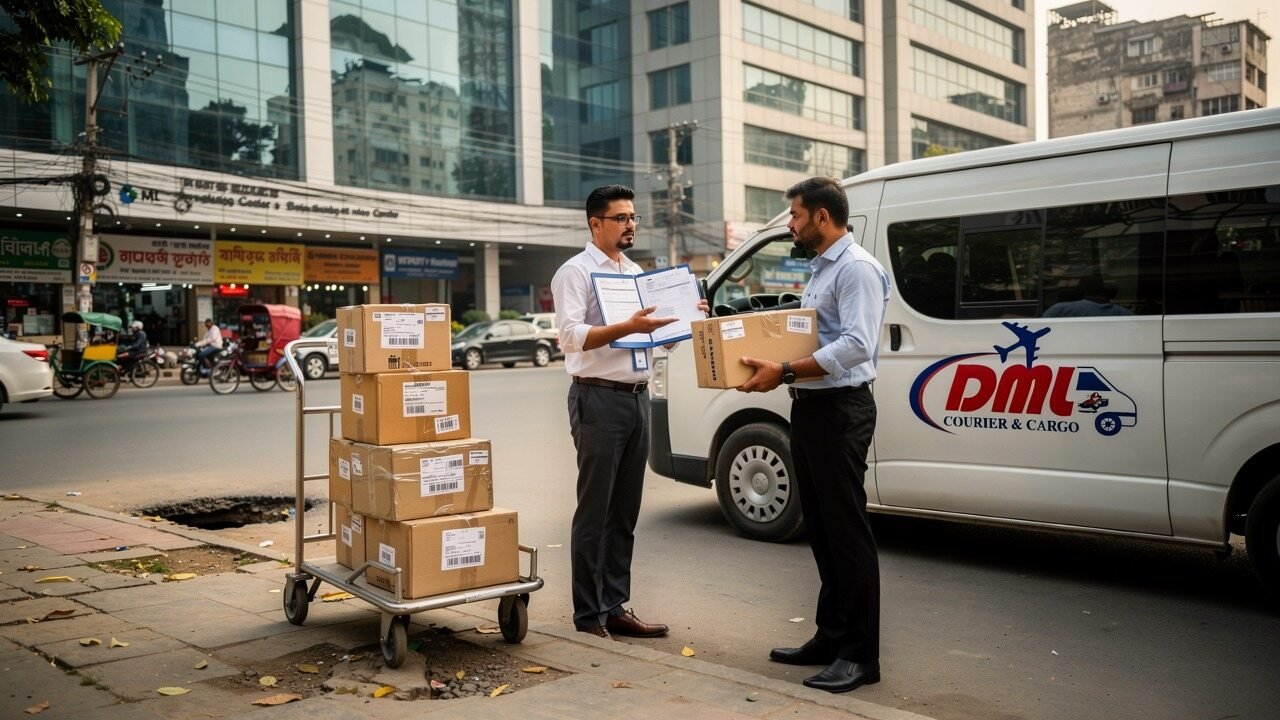
DML Worldwide Express Bangladesh Ltd. provides international courier and logistics solutions for businesses handling shipments from Bangladesh to international destinations.
Admin User
admin@email.com
Related Articles