How to Choose a Freight Forwarding Company in Bangladesh
Admin User · September 26, 2026 · 6 min read
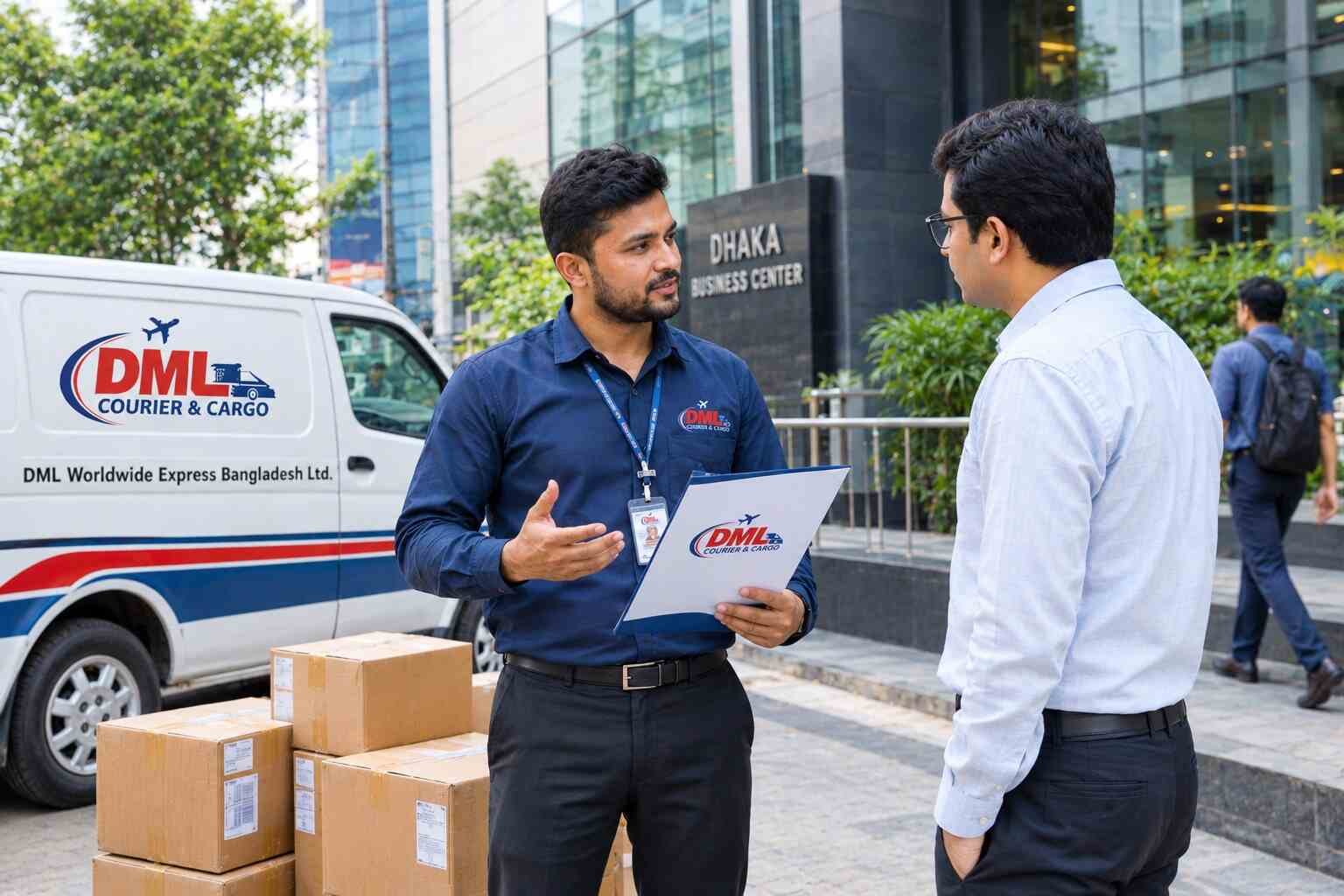
How to Choose a Freight Forwarding Company in Bangladesh for Your Business
International trade involves much more than moving goods from one country to another.
For importers and exporters in Bangladesh, an international shipment may involve transportation planning, documentation, customs procedures, freight arrangements and final delivery.
This is where a freight forwarding company in Bangladesh can become an important logistics partner.
But with different companies offering different services, how should a business evaluate a freight forwarder?
This guide explains the key factors businesses should consider before choosing a freight forwarding company.
What Does a Freight Forwarding Company Do?
A freight forwarder helps coordinate the movement of goods between locations and across international borders.
Depending on the service and shipment requirements, freight forwarding may involve:
Shipment planning
Pickup coordination
Sea freight
Transportation documentation
Cargo handling
Shipment tracking
Delivery coordination
The exact services can vary between providers.
For businesses, the goal is not simply to find a company that can move cargo. It is to find a logistics partner whose services match the company's actual shipping requirements.
1. Check the Company's Freight Services
Start by checking whether the company provides the transportation method your business needs.
For example, a company may require:
Air Freight for faster shipments or smaller time-sensitive cargo.
Sea Freight for larger commercial shipments where transportation cost and cargo volume are important.
A freight forwarding provider offering multiple transportation options can make it easier to select a solution based on each shipment rather than using the same method every time.
2. Understand Its International Coverage
Your destination matters.
Before choosing a freight forwarder, check whether the company can support your required international routes.
For example, a Bangladesh-based exporter may regularly ship to:
United Kingdom
United States
United Arab Emirates
Canada
Australia
European countries
Asian markets
Ask how the company handles your specific origin and destination rather than relying only on a general statement such as "worldwide shipping."
3. Ask About Customs Clearance Support
Customs is an important part of international trade.
A shipment may require specific documentation and customs procedures depending on whether goods are being imported or exported and what products are involved.
A freight forwarding company that also provides or coordinates customs clearance services can help businesses manage the logistics process more efficiently.
Before booking, ask what customs-related support is included and what documentation the business needs to provide.
4. Check Documentation Support
International freight involves important paperwork.
Depending on the shipment, documents may include:
Commercial Invoice
Packing List
Air Waybill
Bill of Lading
Certificate of Origin
Export-related documents
Product-specific documents
Businesses should ask the freight forwarder how documentation is handled and which documents are required for their particular shipment.
Accurate information is especially important because inconsistencies between shipment details and documents can create avoidable complications.
5. Compare Air Freight and Sea Freight Options
A good logistics decision depends on the shipment.

Ask the freight forwarder to explain which transportation method fits your cargo.
Air Freight may be suitable when:
Delivery speed is important
Cargo is relatively smaller
Goods are time-sensitive
The buyer has a short deadline
Sea Freight may be suitable when:
Cargo volume is larger
Goods are heavier
The shipment is less urgent
Transportation cost is a major consideration
Businesses should compare the complete logistics cost and delivery requirements, not just the basic freight price.
6. Look at Shipment Tracking
Visibility is important for modern logistics.
A tracking system allows businesses to monitor shipment progress and communicate updates to customers or business partners.
Before selecting a freight forwarding company, ask:
Is shipment tracking available?
How is the tracking number provided?
Can shipment status be checked online?
Who should be contacted if a shipment is delayed?
Good shipment visibility can make international logistics easier to manage.
7. Check Communication and Customer Support
International shipments can involve multiple stages.
When something changes, businesses need to know who to contact.
Consider whether the company provides clear communication through channels such as:
Phone
Email
WhatsApp
Online tracking
Customer support
A business should understand how shipment updates and problems are communicated before booking.
8. Ask for a Clear Quotation
Price is important, but the lowest quotation is not necessarily the lowest total logistics cost.
When comparing freight forwarding quotations, ask what is included.
For example:
Pickup
Freight charges
Documentation
Customs-related services
Handling
Delivery
Other applicable charges
A clear quotation makes it easier to compare different logistics options.
9. Consider Your Shipment Type
The right freight forwarder depends partly on what you are shipping.
A garment exporter, electronics distributor, machinery importer and e-commerce company may have completely different logistics requirements.
Before selecting a provider, consider:
What are you shipping?
How much are you shipping?
Where is it going?
How quickly must it arrive?
How frequently do you ship?
These questions help identify the services your business actually needs.
10. Think About Long-Term Logistics Needs
If your company imports or exports regularly, choosing a freight forwarder should not be based on one shipment alone.
Consider whether the provider can support your business as shipment volume changes.
For example, your company may start with occasional shipments and later require:
Regular air freight
Sea freight
Customs clearance
Warehouse coordination
International courier
Shipment tracking
Multi-destination logistics
A logistics partner with a broader range of services can potentially support changing requirements.
Questions to Ask Before Choosing a Freight Forwarder
Before making a booking, businesses can ask:
What freight services do you provide?
Which countries and routes do you support?
Do you provide customs clearance?
What documents are required?
Do you offer shipment tracking?
What is included in the quotation?
How are delays communicated?
What transportation options are available?
How are commercial shipments handled?
Who will be my contact person for shipment updates?
Getting clear answers to these questions can help businesses understand the service before committing to a shipment.
Why DML Can Support Bangladesh Businesses
DML Worldwide Express Bangladesh Ltd. provides international courier and logistics services for businesses handling shipments from Bangladesh.
Depending on shipment requirements, businesses can use services including:
International courier
Air freight forwarding
Ocean freight
Customs clearance
Warehouse and distribution
Road freight
International logistics support
The appropriate service depends on the shipment's destination, cargo characteristics, urgency and business requirements.
Final Thoughts
Choosing a freight forwarding company in Bangladesh should involve more than comparing one price.
Businesses should evaluate transportation options, international coverage, customs support, documentation, tracking, communication and the complete logistics cost.
A freight forwarder should fit the company's actual shipping requirements and provide clear information throughout the shipment process.
Whether you are an importer, exporter, manufacturer, trader or growing business, taking time to evaluate your logistics partner can make international shipment management more organized.
Admin User
admin@email.com
Related Articles