Customs Clearance in Bangladesh A Practical Guide for Exporters and Importers
Admin User · October 03, 2026 · 7 min read
Customs Clearance in Bangladesh: A Practical Guide for Exporters and Importers
Moving commercial goods across an international border involves several steps before a shipment can reach its final destination.
For businesses in Bangladesh, customs clearance is one of the most important parts of the import and export process. A shipment may be ready for transportation, but incomplete information or missing documentation can create delays before the goods can move forward.
For a new importer or exporter, the customs process can seem complicated. There are documents to prepare, shipment information to verify and regulatory requirements to consider.
The good news is that proper preparation can make the process much more organized.
This guide explains the practical side of customs clearance in Bangladesh and what businesses should understand before sending or receiving commercial shipments.
What Is Customs Clearance?
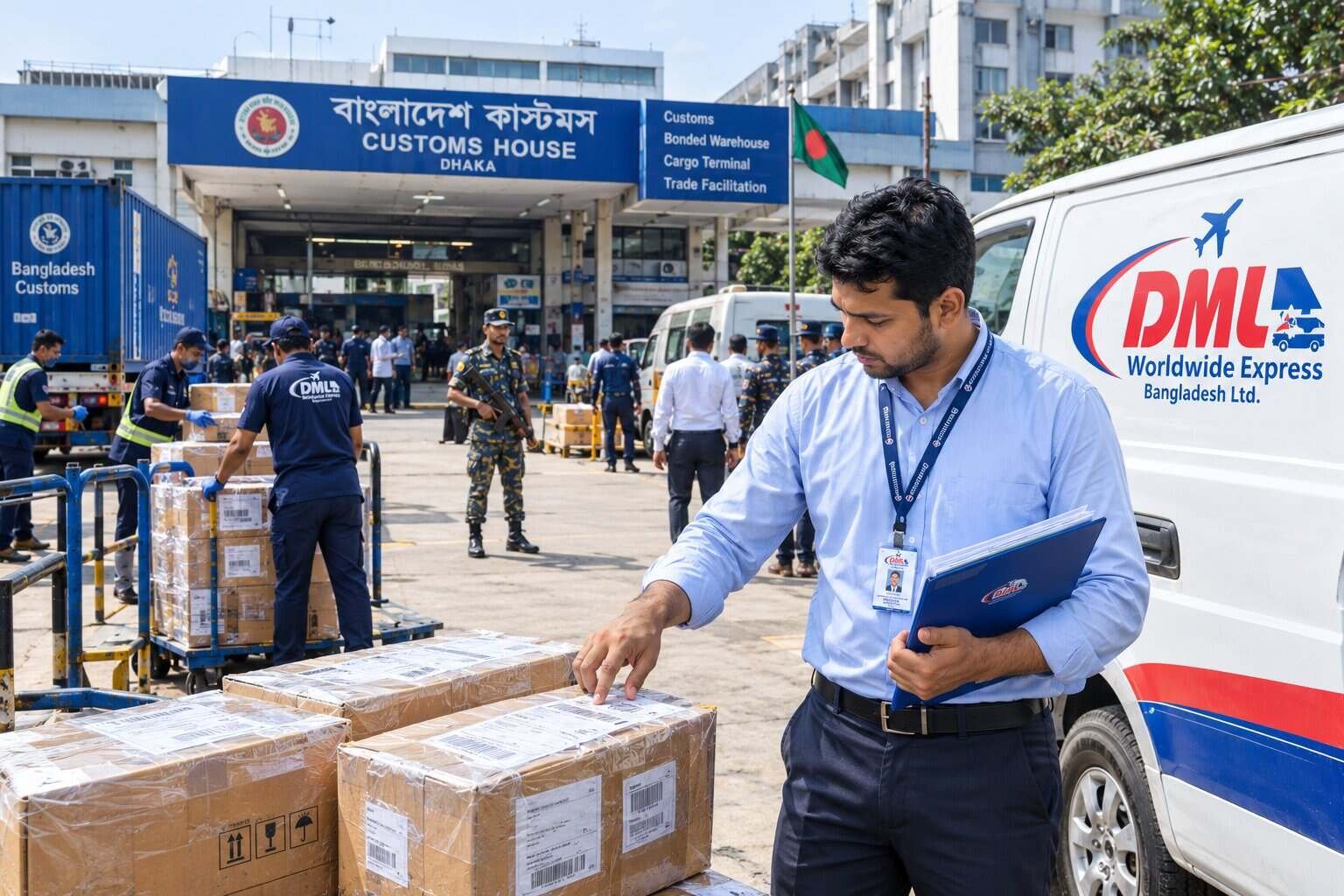
Customs clearance is the process through which goods are presented to the relevant customs authority and the required procedures are completed before the goods are released for import or export.
The process can involve reviewing:
Shipment information
Commercial documents
Cargo description
Declared value
Quantity
Origin and destination
Applicable duties and taxes
Regulatory requirements
The exact requirements depend on the shipment and applicable Bangladeshi regulations.
This is why customs clearance should be treated as an important part of shipment planning rather than something to consider only after cargo arrives.
Why Customs Clearance Matters
A commercial shipment can involve significant financial value and strict delivery commitments.
A customs-related delay can affect:
Production schedules
Inventory availability
Customer commitments
Delivery planning
Transportation arrangements
Overall logistics costs
For an importer waiting for machinery or raw materials, a delay may affect business operations.
For an exporter, delayed processing may affect when goods can leave the country and reach the overseas buyer.
Proper customs preparation therefore supports the wider supply chain.
Import Customs Clearance in Bangladesh
When goods arrive in Bangladesh from an international supplier, the importer needs to complete the applicable import procedures.
The shipment information and supporting documentation may be reviewed during the clearance process.
Depending on the nature of the goods, the importer may need documents such as:
Commercial Invoice
Packing List
Bill of Lading or Air Waybill
Certificate of Origin where applicable
Import-related documentation
Product-specific permits or certificates where required
The exact documentation can differ according to the product, origin, transaction and applicable regulations.
Importers should therefore verify the current requirements for their specific goods before shipment.
Export Customs Clearance in Bangladesh
Export shipments also require appropriate documentation and processing before goods can leave Bangladesh.
An exporter may need to provide information relating to:
Seller/exporter
Overseas buyer
Product description
Quantity
Value
Destination
Packaging
Transportation
Documents may include:
Commercial Invoice
Packing List
Export-related documents
Air Waybill or Bill of Lading
Certificate of Origin where applicable
Product-specific documentation
The exact requirements depend on the shipment and destination.
The Importance of the Commercial Invoice
The commercial invoice is one of the key documents associated with a commercial shipment.
It generally contains information about the transaction and goods, such as:
Seller
Buyer
Description of goods
Quantity
Unit price
Total value
Currency
Other relevant transaction information
The information should accurately represent the actual shipment.
A vague or inconsistent product description can make shipment processing more difficult.
Businesses should carefully review invoice information before submitting the shipment for customs processing.
Why the Packing List Is Important
The packing list provides information about how the goods are packed.
Depending on the shipment, it may include:
Number of packages
Package type
Product quantities
Gross weight
Net weight
Package dimensions
The packing list should be consistent with the physical shipment and other relevant documents.
For larger commercial shipments containing multiple cartons, an accurate packing list can be particularly useful for identifying the contents of each package.
Transport Documents
The transportation method determines the type of transport document used.
For air transportation, an Air Waybill (AWB) is commonly used.
For sea transportation, a Bill of Lading (B/L) is commonly used.
These documents contain important shipment and transportation information.
The information should correspond correctly with the commercial shipment and other documentation.
Common Reasons for Customs Delays
Not every customs delay has the same cause, but several preventable issues can create complications.
Incomplete Documentation
Missing supporting documents can slow down processing.
Inconsistent Information
Differences between the invoice, packing list and actual shipment can create questions.
Incorrect Product Description
The goods should be described accurately rather than using unclear generic terms.
Incorrect Weight or Quantity
Declared information should correspond with the actual shipment.
Missing Required Approval
Certain products may require additional permits, certificates or regulatory approvals.
Inadequate Preparation
Waiting until the shipment reaches the customs stage to discover missing information can create unnecessary delays.
How Businesses Can Prepare Before Shipment

Good customs preparation begins before the cargo leaves the warehouse.
Check the Product
Understand exactly what is being shipped.
Prepare the Documents
Collect the required commercial and supporting documents.
Verify Shipment Details
Check:
Quantity
Weight
Value
Dimensions
Product description
Country of origin
Destination
Review Consignee Information
Make sure the recipient details are complete and accurate.
Check Applicable Requirements
Some products may have additional regulatory requirements.
Taking these steps early can make the shipment process more organized.
Customs Clearance Is Not the Same as Freight Forwarding
These services are related, but they are not identical.
Freight forwarding focuses on coordinating the transportation and movement of cargo.
Customs clearance focuses on the procedures and documentation associated with goods entering or leaving a country.
A business may need both services for a commercial shipment.
For example:
Supplier → Pickup → Freight Forwarding → Customs Processing → International Transportation → Destination Customs → Delivery
The exact sequence can differ depending on the shipment and transportation arrangement.
Why Businesses Work With Logistics Professionals
International trade can involve many details that are difficult to manage without experience.
A logistics provider can help coordinate different parts of the shipment, including:
Freight arrangements
Documentation
Customs coordination
Shipment tracking
Transportation
Delivery
This can be particularly useful for businesses that import or export regularly.
Instead of treating every shipment as a completely separate task, businesses can establish a repeatable logistics process.
Customs Clearance for Different Types of Businesses
Customs requirements can become relevant to many types of businesses.
Manufacturers
Manufacturers may import raw materials, machinery or spare parts.
Exporters
Export businesses may regularly send finished products to overseas buyers.
Trading Companies
Trading businesses can handle both imports and exports across different markets.
E-commerce Businesses
Growing online businesses may import inventory or export products to international customers.
Industrial Companies
Industrial businesses may deal with equipment, components and specialized commercial cargo.
Each business should assess the requirements applicable to its specific products and transactions.
How to Reduce Avoidable Customs Problems
Businesses can take several practical steps:
Prepare early.
Do not wait until the cargo is already at the customs stage to review documents.
Use accurate descriptions.
Describe the actual goods clearly.
Keep documents consistent.
Invoice, packing list and shipment information should correspond.
Check requirements before shipping.
Product-specific requirements can differ.
Keep shipment records.
Maintain copies of relevant documents and shipment information.
Work with experienced logistics support when needed.
Professional coordination can help businesses manage complex international shipments.
Customs Clearance and Shipment Tracking
Customs processing is only one part of an international shipment's journey.
Businesses may also need visibility into transportation before and after the customs stage.
Shipment tracking can help Exporters and Importers understand where their cargo is and communicate delivery expectations to customers or suppliers.
For commercial shipments, maintaining both customs documentation and shipment tracking information provides better visibility throughout the logistics process.
How DML Supports International Logistics
DML Worldwide Express Bangladesh Ltd. provides logistics services for businesses handling international shipments from Bangladesh.
Depending on the shipment requirement, services can include:
Customs clearance
Air freight
Sea freight
Import and export logistics
Shipment coordination
The appropriate service depends on the type of cargo, destination, transportation method and specific business requirements.
Final Thoughts
Customs clearance is an essential part of international trade in Bangladesh.
For Exporters and Importers, successful shipment preparation starts with accurate information and proper documentation. Understanding the requirements before cargo moves can help businesses avoid preventable complications.
The most important principle is simple:
Prepare the shipment before it reaches customs.
Review the goods, verify the documents, confirm the shipment information and understand any additional requirements that may apply.
With organized preparation and appropriate logistics support, businesses can manage international shipments more efficiently and maintain better control over their supply chain.
Admin User
admin@email.com
Related Articles